
Terms & Conditions of Sale
1.Interpretation
- 1.1
“Seller” means Peterson Manufacturing Limited.
- 1.2
“Buyer” means the person, firm or company purchasing Goods or Services.
- 1.3
“Goods” means all goods supplied by the Seller.
- 1.4
“Contract” means any contract between the Seller and the Buyer for the sale of Goods and/or Services.
- 1.5
“Force Majeure Event” means any event or circumstance beyond the reasonable control of the Seller which prevents or delays the performance of its obligations, including but not limited to acts of God, flood, tidal events, extreme or abnormal weather conditions, fire, explosion, war, terrorism, industrial disputes, interruption of utilities, supply chain disruption, shortage of materials or governmental action.
- 1.6
“Insolvency Event” means, in respect of the Buyer, any of the following:
- (a)the Buyer is unable to pay its debts as they fall due within the meaning of section 570 of the Companies Act 2014;
- (b)the Buyer becomes insolvent or is deemed unable to pay its debts;
- (c)a petition is presented, a resolution is passed, or an order is made for the winding up or liquidation of the Buyer (otherwise than for the purposes of a solvent reconstruction);
- (d)an examiner, receiver, liquidator or similar officer is appointed over the whole or any part of the Buyer’s undertaking, assets or revenues;
- (e)the Buyer enters into or proposes any composition or arrangement with its creditors;
- (f)any step or event analogous to the foregoing occurs in any jurisdiction; or
- (g)the Seller reasonably believes that any of the foregoing is likely to occur.
- 1.7
“Seller’s applicable visual inspection and acceptance standards” shall mean those standards as published on the Seller’s website on the date of order. View the current standards
2.Basis of Contract
- 2.1
These Conditions shall apply to all Contracts to the exclusion of all other terms.
- 2.2
No variation shall be binding unless agreed in writing by a director of the Seller.
3.Quotations and Orders
- 3.1
Quotations are invitations to treat only.
- 3.2
A binding contract arises only upon written acceptance by the Seller.
4.Price and Payment
- 4.1
Prices are exclusive of VAT.
- 4.2
Payment shall be made in full, without deduction or set-off, within 14 days of the date of the Seller’s invoice.
- 4.3
Time for payment shall be of the essence.
- 4.4
Without prejudice to any other rights of the Seller, any sum not paid by the due date shall bear interest from the due date until payment in full (whether before or after judgment) at the rate prescribed from time to time under the European Communities (Late Payment in Commercial Transactions) Regulations 2012 (as amended), together with any applicable fixed compensation and reasonable recovery costs.
5.Delivery and Risk
- 5.1
Risk in the Goods passes on delivery.
- 5.2
Delivery dates are estimates only.
6.Warranty (Limited) and Exclusions
- 6.1
The Seller shall use reasonable skill and care in the manufacture and installation of the Goods.
- 6.2
Subject to Clause 6.3, the Seller’s sole obligation is to repair or replace defective Goods.
- 6.3
The Seller shall have no liability where:
- (a)Goods are misused or improperly installed by the Buyer or by third parties;
- (b)defects arise from Buyer specifications;
- (c)defects arise from abnormal conditions including unusual flood or tidal or atmospheric conditions and extreme weather events.
- 6.4Exclusion of Implied Terms
Except as expressly provided, and to the fullest extent permitted by law, all warranties, conditions and terms implied by statute or common law (including fitness for purpose) are excluded.
- 6.5Extraordinary Climatic Events
Without prejudice to Clause 6.4, the Seller shall have no liability whatsoever in respect of fitness for purpose, performance or durability of the Goods where any defect, failure or inadequacy arises from extraordinary climatic conditions, flooding, tidal events or any comparable environmental occurrence outside normal anticipated conditions.
7.Finishes, Coatings and Visual Acceptance
- 7.1
Unless otherwise expressly agreed in writing by the Seller, finishes and coatings applied by the Seller shall be assessed in accordance with the Seller’s applicable visual inspection and acceptance standards in force at the date of manufacture.
- 7.2
Where any finishing, coating, galvanizing or surface treatment is carried out by a third-party subcontractor, the applicable specification, industry standard, certification scheme and/or acceptance criteria of that subcontractor shall apply, unless an alternative requirement has been expressly agreed in writing by the Seller.
- 7.3
Hot-dip galvanized Goods shall, unless otherwise expressly agreed in writing, be supplied in accordance with EN ISO 1461 and the applicable galvanizing subcontractor’s acceptance criteria.
- 7.4
Where powder coating is subcontracted to provide a specified QUALICOAT-compliant coating system or associated warranty, the Goods shall be finished in accordance with the applicable specification, certification requirements and warranty conditions of the approved powder-coating subcontractor. Any such warranty shall be subject to the terms, conditions, exclusions, maintenance requirements and duration imposed by that subcontractor or warranty provider.
- 7.5
The Buyer acknowledges that the Seller may subcontract galvanizing, powder coating and other specialist finishing processes. Compliance with the applicable third-party specification, certification scheme or acceptance criteria shall constitute compliance with the agreed finish requirement, subject to any specific requirement expressly accepted in writing by the Seller.
- 7.6
The Seller shall not be deemed to provide any independent or additional coating warranty beyond the warranty expressly stated in the Contract. Where a third-party coating or finish warranty is provided, the benefit of that warranty shall be subject to the terms and limitations applicable to it.
- 7.7
Where the Seller’s applicable standard classifies surfaces according to their visibility, aesthetic importance or function, the acceptance criteria for the relevant surface classification shall apply. Unless a particular classification is expressly agreed in writing, the Seller shall determine the appropriate classification having regard to the intended use and normal viewing position of the Goods.
- 7.8
Visual inspection shall be carried out in accordance with the viewing distance, lighting, viewing angle, inspection time and other inspection conditions specified in the applicable visual inspection standard. A feature which is acceptable when assessed under those conditions shall not constitute a defect solely because it is visible upon closer inspection, under magnification, under exceptional lighting or from a different viewing angle.
- 7.9
The Buyer acknowledges that galvanizing, powder coating, wet painting and other industrial finishing processes may naturally produce variations in colour, shade, gloss, texture, surface profile and general appearance. Such variations shall not constitute defects where they are permitted by the applicable specification or acceptance standard and do not materially impair the specified function or performance of the Goods.
- 7.10
Minor orange peel, substrate profile or print-through, texture variation, minor runs, sags, drips, inclusions or other surface characteristics shall not constitute defects where they are permitted by the applicable visual inspection standard, subcontractor specification, certification scheme or acceptance criteria and do not materially affect the specified function, corrosion protection, structural integrity or performance of the Goods.
- 7.11
Any specific colour, RAL reference, gloss level, coating system, dry film thickness, surface classification, architectural or aesthetic finish, approved sample, boundary sample, warranty requirement or other special finish requirement must be expressly stated in the Buyer’s order and accepted in writing by the Seller before manufacture or finishing. In the absence of such written agreement, the applicable standard finish and acceptance criteria shall apply.
- 7.12
Samples, photographs, brochures, colour charts, electronic images and previously supplied Goods are illustrative only and shall not constitute an exact standard of colour, shade, gloss, texture or appearance unless expressly agreed in writing by the Seller as an approved reference or boundary sample.
- 7.13
Goods which comply with the applicable specification, certification scheme, visual inspection standard and/or acceptance criteria shall not be considered defective, and the Buyer shall not be entitled solely on the grounds of visual or cosmetic appearance to reject such Goods, require replacement, withhold payment or make a claim in respect thereof.
- 7.14
Where the Buyer specifies a particular finish, coating, treatment, certification or standard, the Seller shall not be responsible for the suitability of that requirement for the Buyer’s intended application unless the Seller has expressly accepted such responsibility in writing.
8.Limitation of Liability
- 8.1
Nothing herein shall limit liability for death, personal injury or fraud.
- 8.2
Subject thereto, the Seller shall not be liable for indirect or consequential loss, loss of profits, business or goodwill.
- 8.3
The Seller’s total liability shall not in any case exceed the contract price.
9.Retention of Title
- 9.1
Title to the Goods shall not pass until payment in full of:
- (a)the amount due to the Seller for any Goods and Services; and
- (b)all sums due from the Buyer to the Seller on any account.
- 9.2
Risk passes on delivery notwithstanding retention of title.
- 9.3
Until title passes, the Buyer shall hold the Goods as fiduciary bailee, store them separately and identifiably, and insure them for full value.
- 9.4
The Buyer may resell the Goods in the ordinary course of business, provided the proceeds of sale are held on trust for the Seller.
- 9.5Recovery and Irrevocable Licence
If payment is outstanding or an Insolvency Event occurs:
- (a)the Seller may require delivery up of the Goods; and
- (b)the Buyer irrevocably licenses the Seller, its employees and agents, to enter upon any premises (including third party premises) where the Goods are located, with or without notice, for the purpose of inspecting and recovering the Goods, and to remove the same.
- 9.6
All such rights survive termination.
10.Retention
- 10.1
No retention amount shall be deducted in any contract where the contract value is €50,000 or less (exclusive of VAT).
- 10.2
Any contractual provision purporting to impose such retention shall be of no effect.
- 10.3
For contracts exceeding that threshold, any retention must be expressly agreed in writing.
11.Insolvency
- 11.1
If an Insolvency Event occurs:
- all sums become immediately due;
- the Seller may suspend or terminate supply;
- and its rights under Clause 9 apply.
12.Force Majeure
- 12.1
The Seller shall not be liable for any failure or delay caused by a Force Majeure Event and its obligations shall be suspended for the duration of such event.
- 12.2
Any time for performance shall be extended for a period equal to the duration of the Force Majeure Event together with a reasonable period for recommencement.
- 12.3
The Seller shall use reasonable endeavours to mitigate the effects and shall notify the Buyer as soon as reasonably practicable.
- 12.4
If the Force Majeure Event continues for more than 60 days, the Seller may terminate the Contract without liability.
13.Termination
- 13.1
The Seller may terminate for breach or nonpayment.
- 13.2
Termination shall not affect accrued rights.
14.Assignment
- 14.1
The Seller may subcontract or assign its rights, duties and obligations.
- 14.2
The Buyer may not assign any rights without the written consent of a director of the Seller.
15.Notices
- 15.1
Notices shall be in writing and deemed received in the ordinary course of post or email.
16.Governing Law
- 16.1
This Contract shall be governed by the laws of Ireland.
- 16.2
The Irish courts shall have exclusive jurisdiction.
Visual Inspection & Acceptance Standards
These are the Seller’s applicable visual inspection and acceptance standards referred to in Clause 1.7 and Clause 7 of the Terms & Conditions of Sale. Finishes and coatings are assessed against the standards in force at the date of manufacture.
Powder Coating Visual Inspection Standards
Section 1 of 3Visual inspection of powder coating involves assessing the significant surface under diffuse daylight or standard lighting at defined distances based on the application type. The primary objective is to verify that the finish is uniform and free of defects that compromise performance or aesthetics.
Standard Inspection Conditions
| Parameter | Standard Requirement |
|---|---|
| Lighting | Diffuse daylight or a standard 40W equivalent fluorescent light source without direct glare. |
| Viewing Angle | Perpendicular (90 degrees) to the test surface. |
| Interior Distance | 1.5 meters away from the target object. |
| Exterior Distance | 3 meters away from the target object (architectural parts). |
Acceptance Criteria Classes
- Class A (Aesthetic / High Visibility): Zero prominent flaws, uniform color/gloss, smooth texture, and highly controlled orange peel. Typically specified for consumer-facing or premium architectural components.
- Class B (Semi-Critical / Moderate Visibility): Minor textural variations or slight cosmetic inconsistencies allowed in less noticeable areas.
- Class C (Functional / Hidden): Prioritizes corrosion protection over appearance. Minor runs, pinholes, or color mismatches are acceptable for hidden functional components.
Common Surface Defects to Reject
- Blisters & Craters: Raised spots or fisheyes caused by oil, moisture, or surface contamination.
- Orange Peel: Excessive rough or bumpy texture surpassing approved Powder Coating Institute (PCI) visual standards.
- Inclusions: Trapped dirt, dust, lint, or burnt particles embedded in the cured film.
- Discontinuities: Pinholes, thin spots, sagging, or bare metal exposure that voids corrosion barriers.
Powder Coating over Galvanized Substrates
This document establishes the uniform testing environment, distance parameters, and surface acceptance criteria for the visual evaluation of architectural and industrial powder-coated hot-dip galvanized parts.
1. Inspection Environment & Methods
All visual evaluations must be executed under the following standardized conditions:
- Viewing Distance (Exterior/Façade): 3 meters minimum from the significant surface.
- Viewing Distance (Interior/General): 1.5 meters minimum from the significant surface.
- Illumination Level: Diffuse natural daylight or artificial light providing 500 to 1000 lux. Avoid direct sun or blinding glare.
- Observation Angle: Perpendicular (90 degrees relative to the test plane).
- Evaluation Window: Defects must be readily visible without magnification from the stipulated viewing distance to be considered rejectable.
2. Surface Defect Classification Matrix
| Defect Type | Classification | Description & Field Actions |
|---|---|---|
| Blisters / Outgassing Bubbles | Rejectable | Caused by gas escaping the porous galvanized layer during thermal curing. Disrupts coating continuity. |
| Pinholes & Holidays | Rejectable | Microscopic voids breaking completely through to the zinc layer, posing high corrosion risk. Requires strip and re-coat. |
| Craters & Fish Eyes | Rejectable | Depressions induced by local surface contaminants like oils, silicones, or shop dust prior to powder application. |
| Zinc Spikes & Ash Protrusions | Rejectable | Rough dross or spikes from the hot-dip galvanizing phase breaching the powder envelope. Must be mechanically ground flat before coating. |
| Runs, Sags, & Drips | Acceptable* | Zinc coating build-up or gravity sag during melting. Unacceptable on significant surfaces. |
| Orange Peel Texture | Acceptable* | Mild wave texture is inherent. Acceptable if it matches the pre-approved baseline reference limit panels. |
| Substrate Print-Through | Acceptable* | Faint visibility of underlying zinc spangle patterns is permissible provided specified dry film thickness (DFT) is verified. |
Wet Paint Parts Visual Inspection Standards
Section 2 of 3Visual inspection standards for wet-painted parts require controlled lighting (1,000–4,000 lux), a 45-degree viewing angle, and a fixed distance of 24 to 48 inches depending on the part class. Inspectors check for complete coverage, smooth consistency, and the total absence of critical defects within designated time limits.
1. Environmental and Setup Controls
- Lighting: Use natural daylight simulation or calibrated overhead lamps producing 1,000 to 4,000 lux.
- Distance & Time: Inspect Class A (critical) parts at 24 inches for 10 seconds; inspect Class C parts at 48 inches for 3 seconds.
- Angle: Position the part or eye at a 45-degree angle to catch surface reflections and gloss variances.
2. Quality Classification Matrix
| Defect Category | Class A (Critical / High Visibility) | Class C (Low Visibility / Hidden) |
|---|---|---|
| Runs, Sags, & Drips | Zero tolerance for visible micro-tears or heavy sagging. | Acceptable if within functional tolerance limits. |
| Blisters & Pinholes | Zero tolerance. Complete structural rejection. | Limited microscopic occurrences allowed if sealed. |
| Dirt, Dust, & Inclusions | Zero foreign particle inclusions on visible faces. | Limited small specks allowed on non-visible areas. |
3. General Acceptance Criteria
- Orange Peel & Texture: Evaluated against approved visual boundary master panels or physical roughness scales.
- Coverage & Hiding: Complete, uniform coating of the substrate with no shadow-through, thin spots, or missed edges.
Wet Paint Coating on Galvanized Substrates
Scope: This document outlines the mandatory quality control checkpoints and acceptance criteria for the visual inspection of liquid coatings applied to hot-dip galvanized steel components.
1. Pre-Paint Galvanized Surface Check
Before any liquid coating is applied, the galvanized profile must be strictly verified to ensure complete coating adhesion and avoid premature failure modes like peeling or osmotic blistering.
- Zinc Condition Assessment: Inspect for and mechanically remove any sharp zinc spikes, heavy dross lumps, rough zinc drips, or flux residues by careful grinding, filing, or scraping.
- Surface Contamination: Verify the absolute absence of hydrocarbon oils, processing grease, workshop dirt, and zinc oxidation products (white rust / wet storage stains). Surface must be chemically clean.
- Surface Profile Verification: Ensure mandatory mechanical profile creation via sweep blasting (using non-metallic mineral abrasives) or chemical pretreatments (e.g., T-wash mordant solution). This process must provide a uniform matte profile without breaching or excessively stripping the underlying protective zinc layer.
2. Wet Paint Visual Defects & Acceptance Criteria
The liquid-applied film layer must display flawless structural continuity. The following inspection matrix defines the defect criteria during wet and early-curing phases:
| Inspection Parameter | Visual Defect Description | Acceptance Status |
|---|---|---|
| Coverage & Continuity | Thin spots, pinholes, missed areas, or underlying zinc substrate showing through the coating. | Reject Must achieve 100% complete visual hiding power. |
| Surface Imperfections | Cratering, active bubbling, severe solvent blistering, wrinkling, or fish-eyes due to contamination. | Reject Any break in film integrity requires repair. |
| Application Flaws | Excessive paint sagging, heavy fluid runs, deep drips, or pronounced orange-peel textures. | Reject if exceeding specified dry film thickness or causing aesthetic defects. |
| Adhesion Screening | Early structural blistering, micro-cracking, or checking over the galvanized substrate profile. | Reject Mandates immediate cross-hatch testing (ASTM D3359). |
Galvanising Specification – EN ISO 1461
Section 3 of 3 · Surface features that meet and do not meet the specificationThe following reference photographs illustrate surface features that commonly occur on hot-dip galvanized steel. Each is classified as meeting or not meeting EN ISO 1461, with the typical cause (Feature) and the recommended remedy or preventative measure (Action).
Meets EN ISO 1461
15 features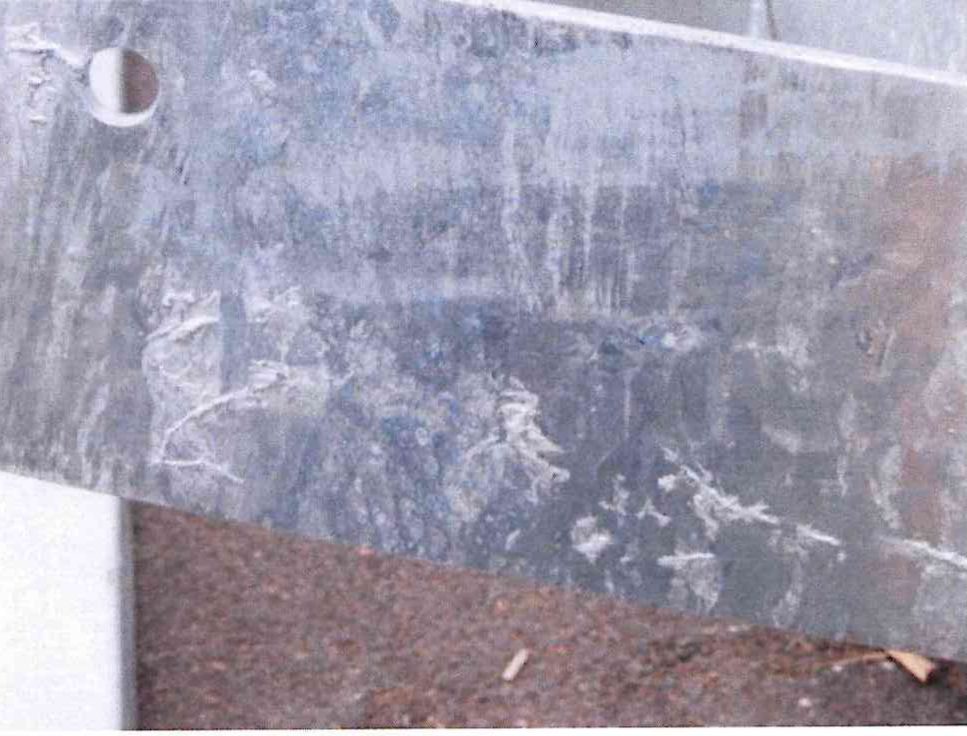
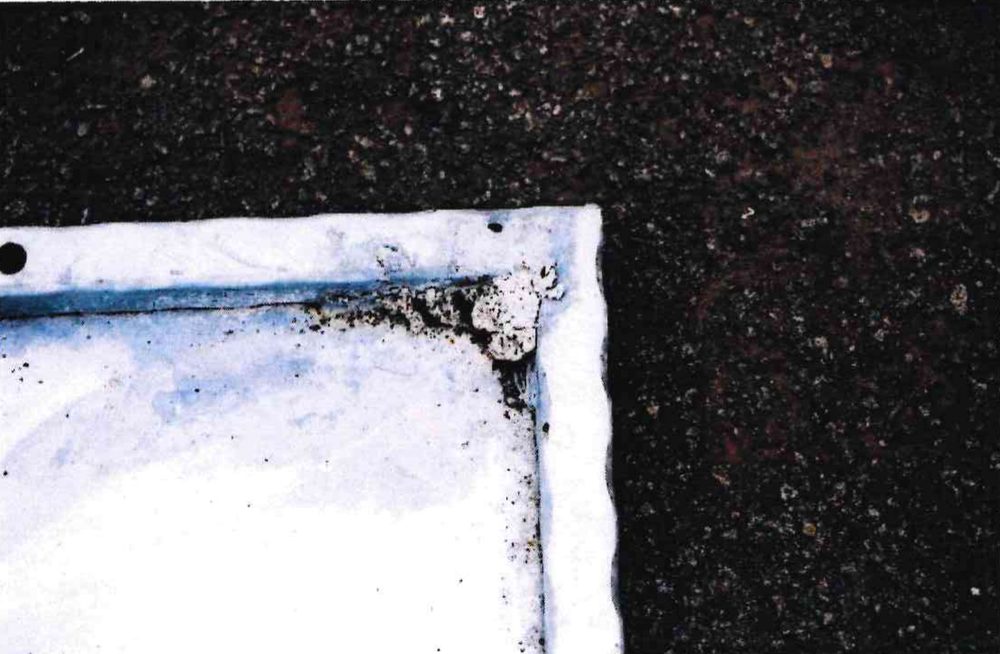
Zinc AshDesign/Process Issue
- Ash deposit and entrained ash
- 1. Poor design has created air lock where ash has trapped
- 2. Ash reformed after skimming the bath surface and become entrained within the coating
- Avoid trapped ash by provision of a vent hole
- Movement of work in the galvanizing bath may prevent ash becoming trapped
- Avoid entrained ash by improved skimming practice at the galvanizing bath (may not be 100% effective)
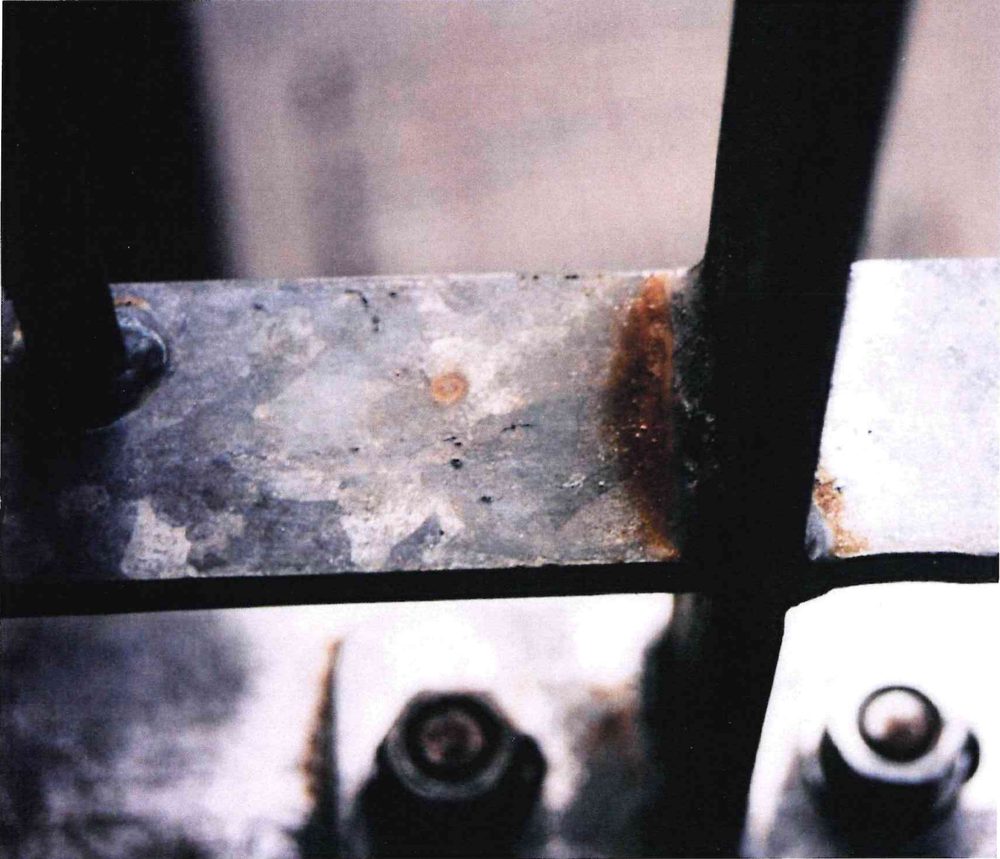
Weld Seepage StainingEnvironmental Issue
- Weld seepage stain
- Pretreatment chemicals become trapped in weld pin holes and are dried out by the heat of the galvanizing process leaving a residue
- Moisture drawn into the pin hole after galvanizing resulting in residue dissolving and seeping out staining the steelwork
- No process related action can prevent weld seepage
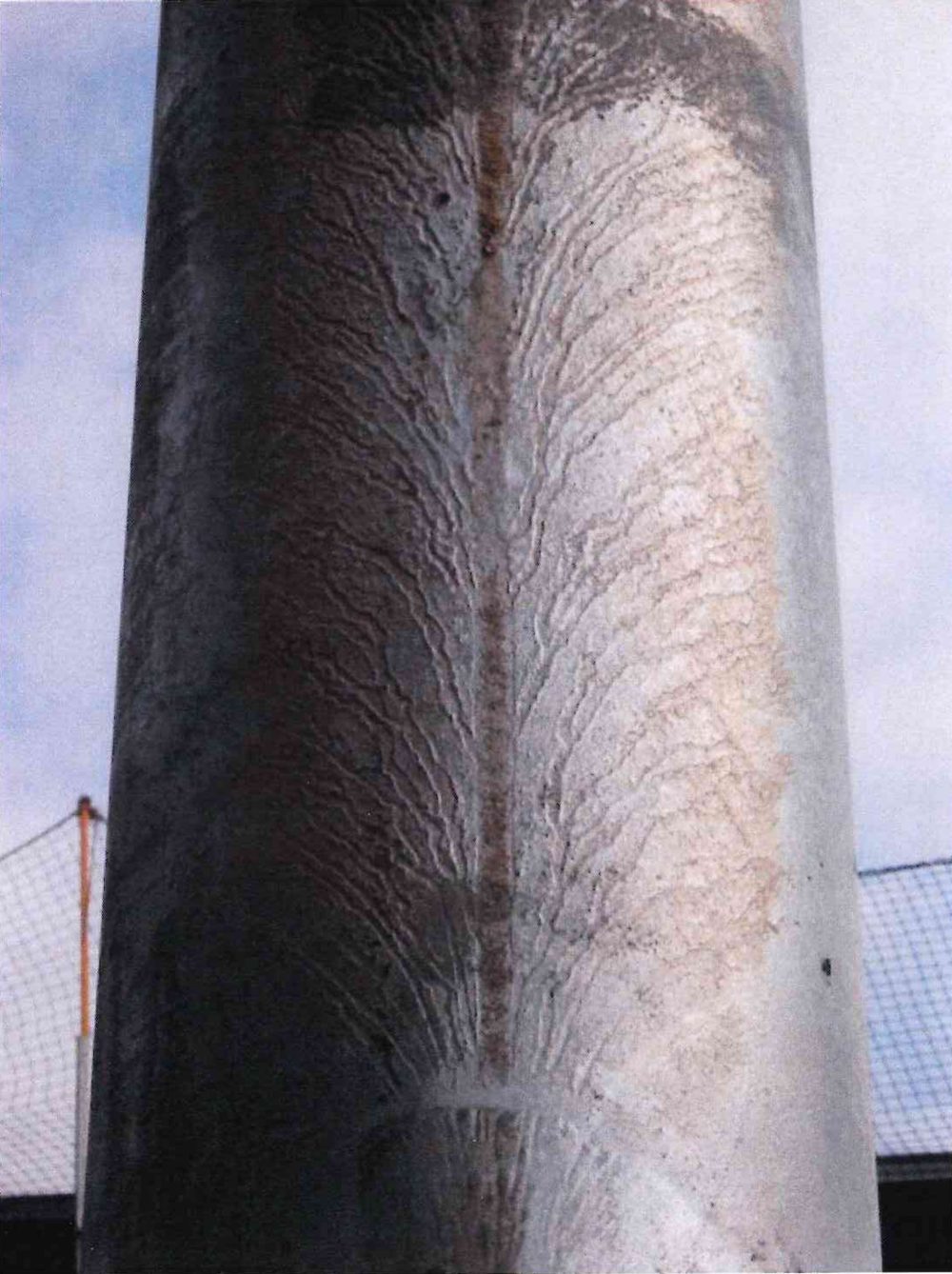
SnailingMaterial/Process Issue
- Snailing - textured finish with rivulets of zinc running around the CHS
- Variation in steel chemistry across the surface results in variable coating growth
- May be exacerbated if work is withdrawn quickly and/or at a shallow angle
- Ensure work is withdrawn slowly at a steep angle to aid the drainage of zinc
- Even following best practice snailing can still occur
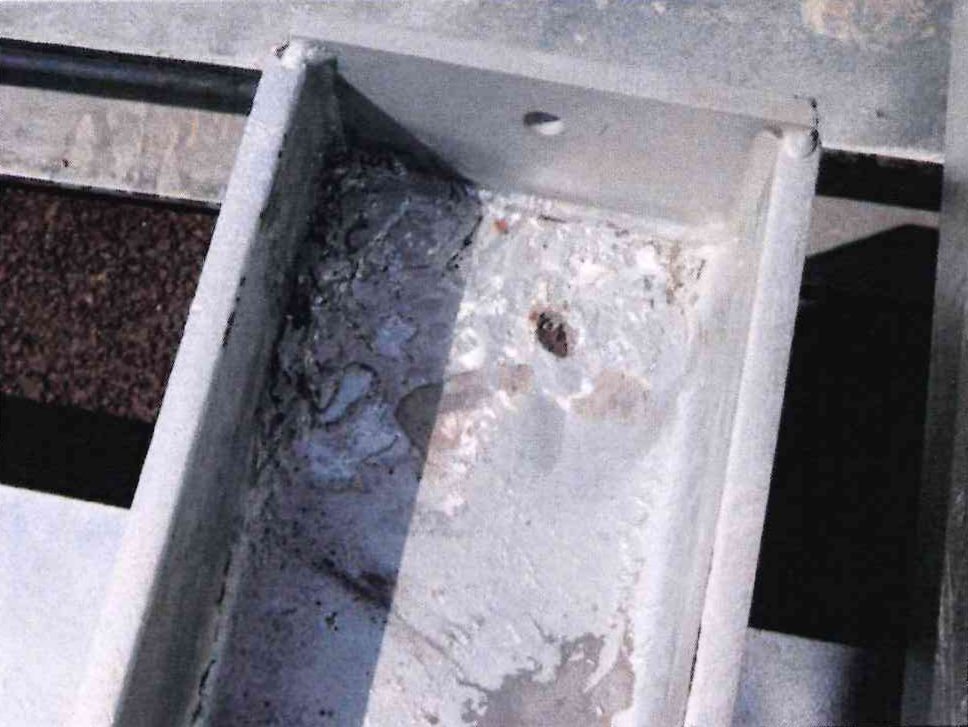
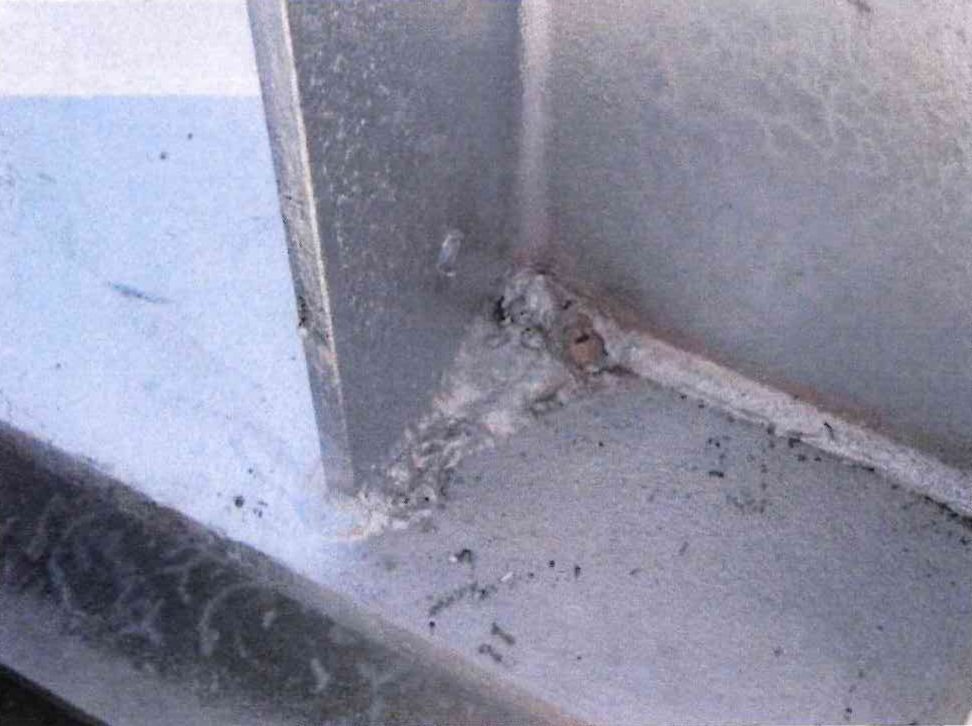
Zinc Build-upDesign Issue
- Area of zinc build-up due to drainage of zinc during withdrawal from the galvanizing bath
- Poor design has created a zinc trap
- Advise customer of need for drainage holes or to crop the corners of stiffeners to aid the drainage of zinc and avoid zinc traps
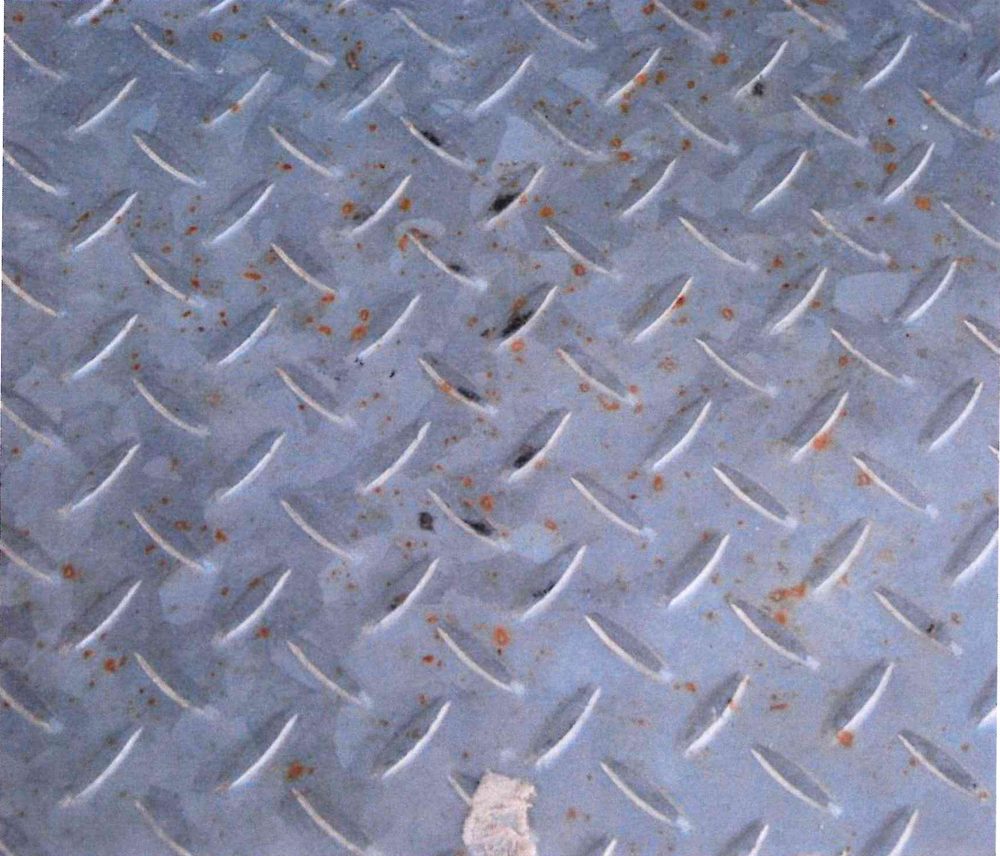
Swarve StainingEnvironmental Issue
- Steel has been cut nearby the galvanized product and swarve has embedded into the galvanized coating
- Swarve may rust giving the appearance of the galvanized coating having failed
- Can remove staining by wire brushing
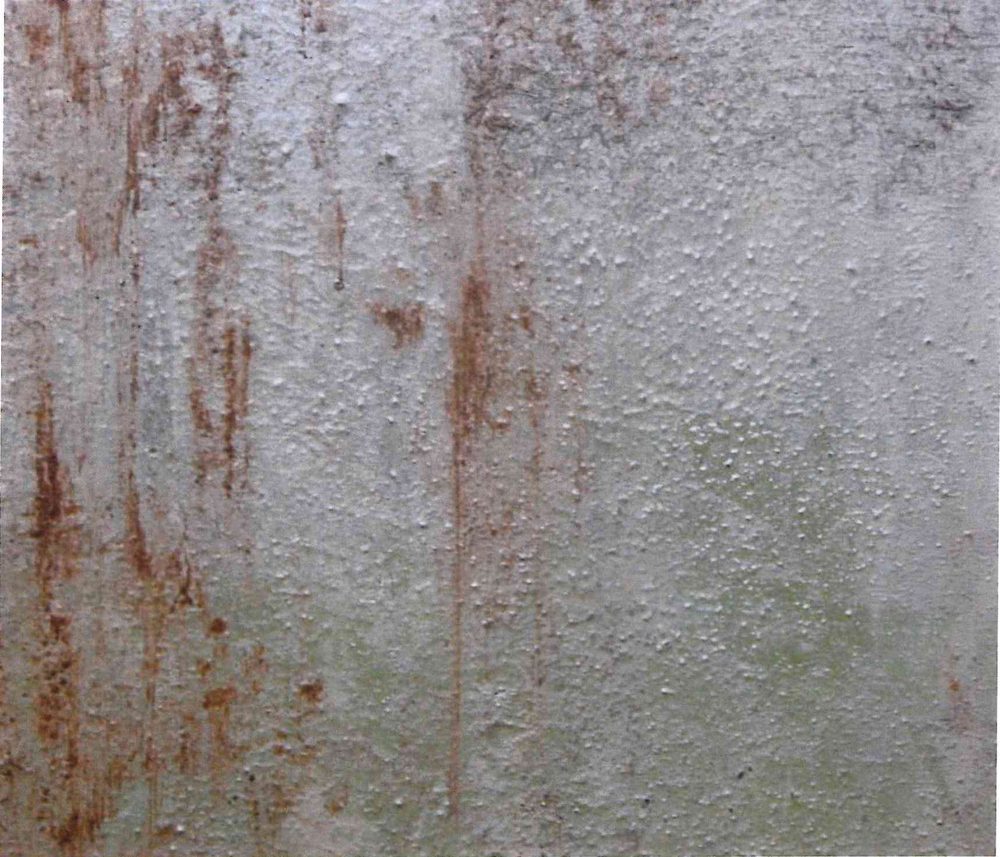
Entrained DrossProcess Issue
- Entrained dross in the coating due to floating dross
- Floating dross caused by disturbance of the bottom dross layer or due to bath composition resulting in low density dross
- Ensure work is not lowered too far into the bath so disturbing the dross layer
- Control bath composition especially %Al to prevent low density floating dross
- Stop processing work and allow dross to settle to the bottom of the bath
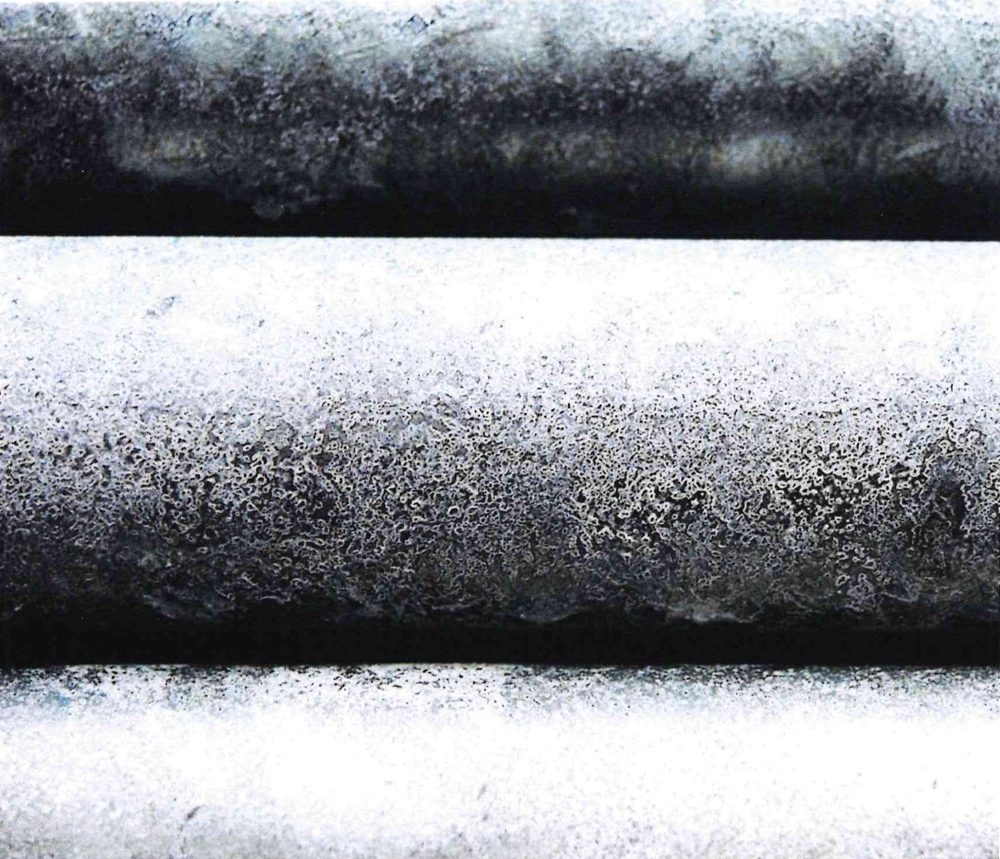
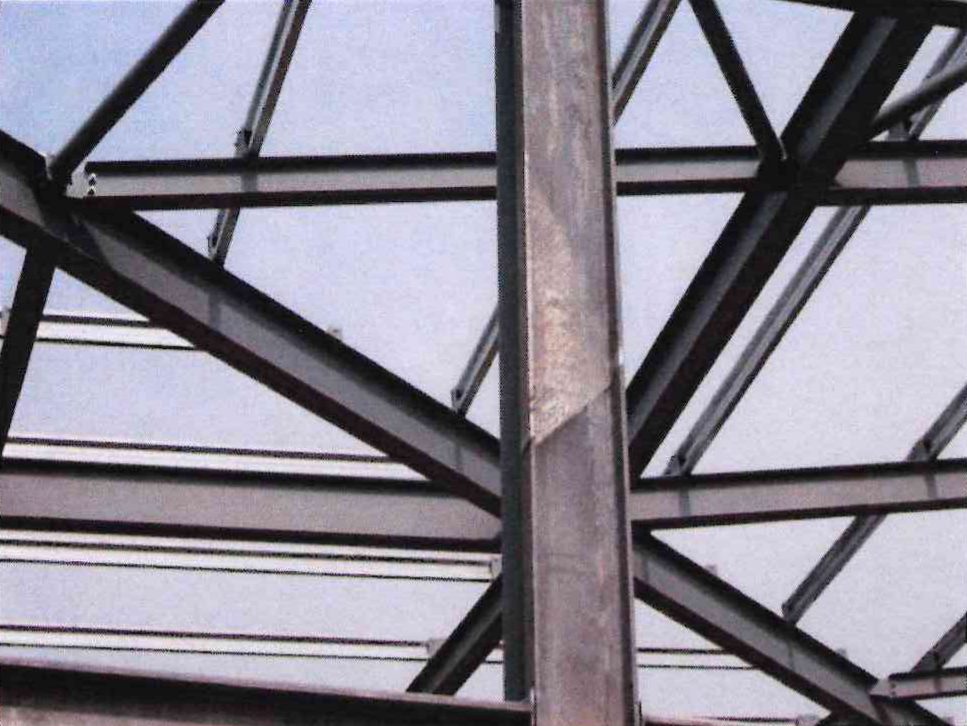
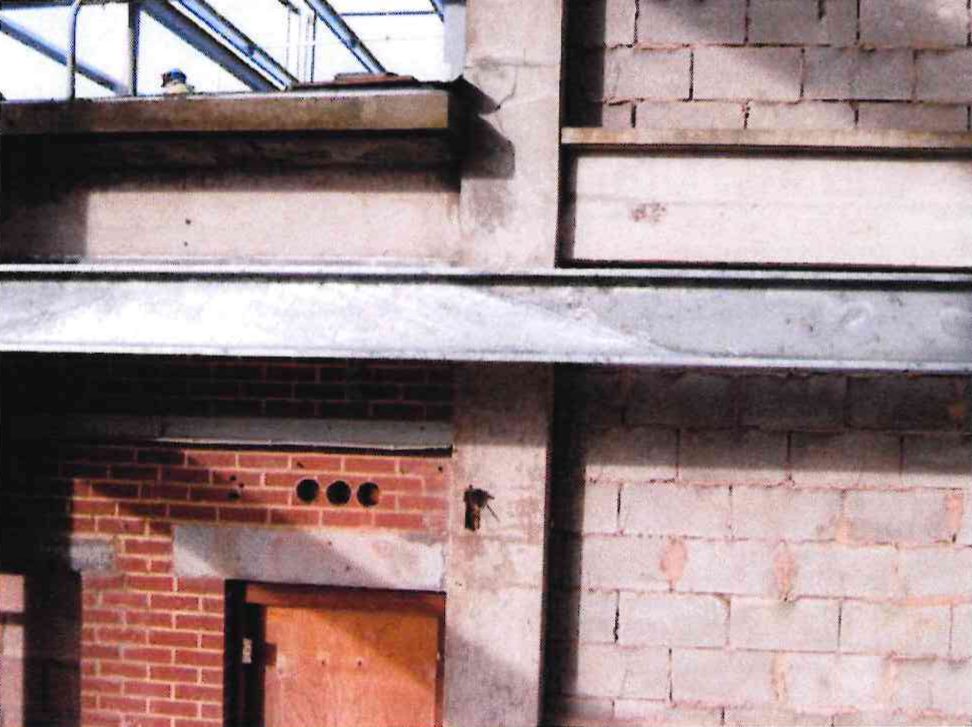
Wet Storage StainEnvironmental Issue
- Formed due to galvanized product becoming damp and being unable to fully dry out
- Store indoors
- Orientate work so water traps are not formed
- Ensure work is stacked at an angle to aid water run-off
- Ensure work is not stacked tightly together
- Do NOT shrink wrap work
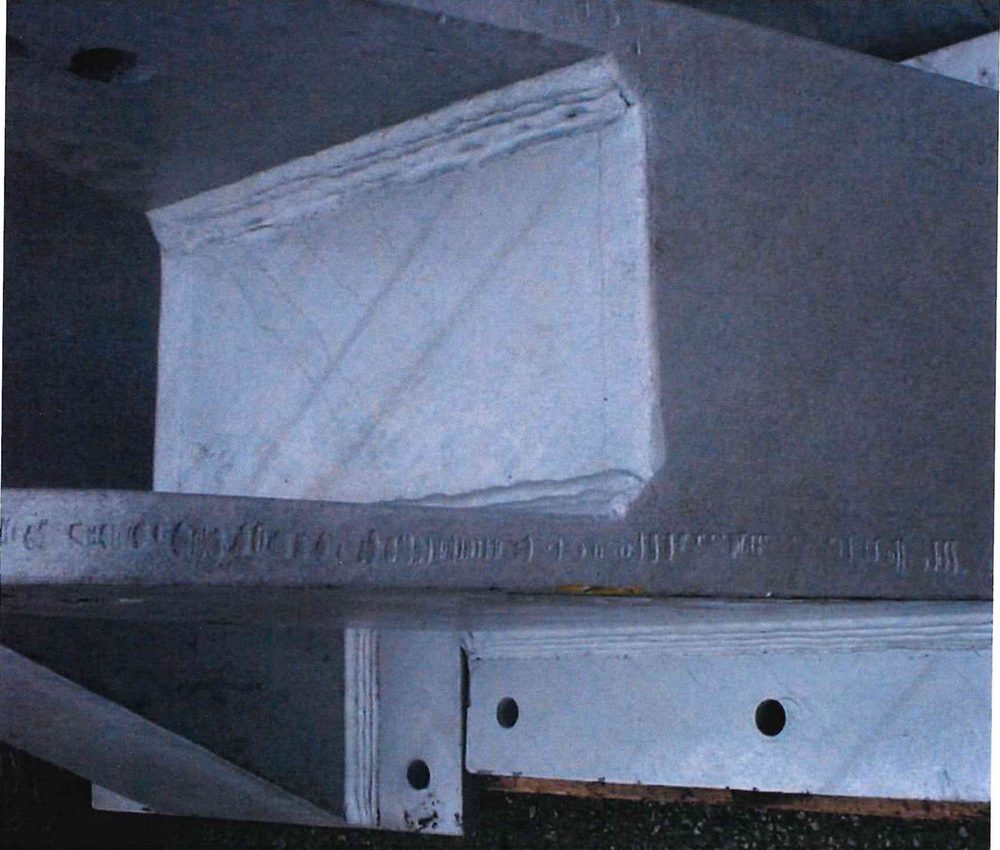
Double Dip MarkProcess Issue
- Double dip mark formed due to double dipping because work will not fit into the galvanizing bath in a single immersion
- Temperature differentials formed with one end cooling while the other is heating-up affect the coating’s appearance
- Ensure best practice is followed when double dipping with work being turned in between dips so as to minimise the area of overlap
Flame Cut EdgeFabrication Issue
- Edge of steel has been flame cut
- Flame cutting may deoxidise the steel surface giving a lower or variable silicon content and reactivity
- Can result in a textured finish and/or a coating thickness which is below standard requirement
- Fabricator should grind the flame cut edge prior to sending work for galvanizing
- No process related solution
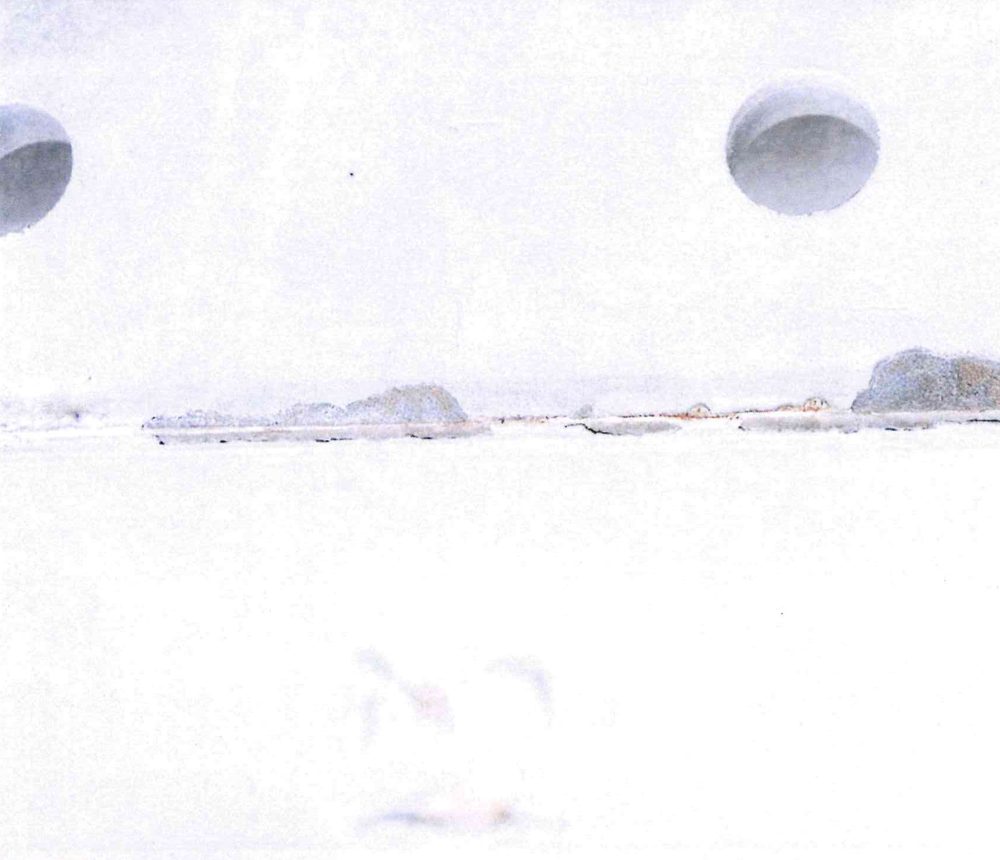
Mechanical DamageMaterial/Process Issue
- Damage due to heavy impact especially at corners and edges
- More likely if a thick coating has been formed
- Minimise handling
- Try to avoid metal to metal contact
- Handle with a level of care and do not abuse the product
- Use plastic straps rather than chains where possible
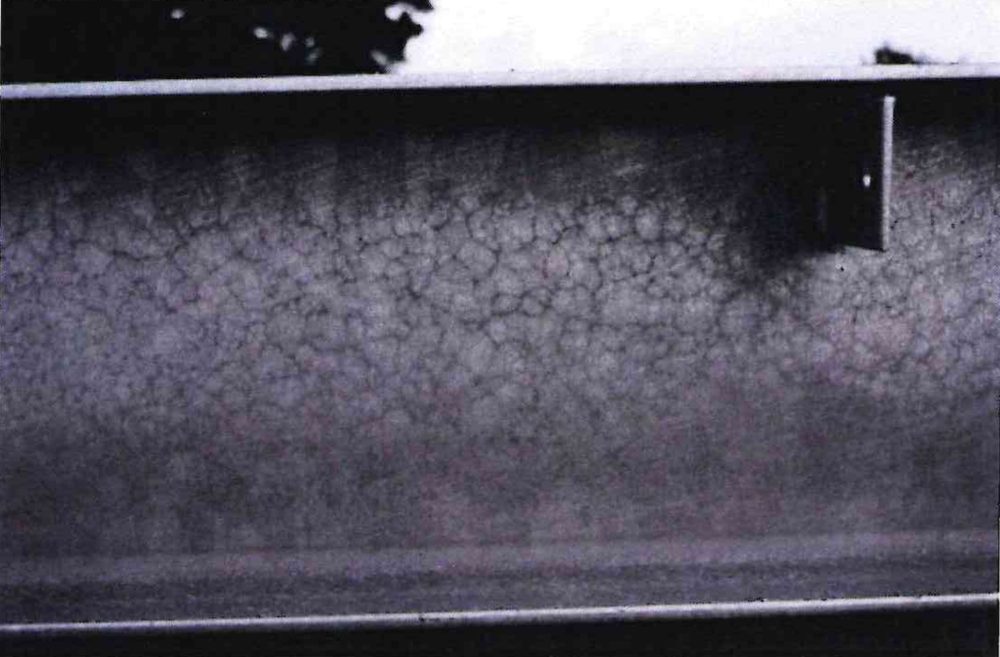
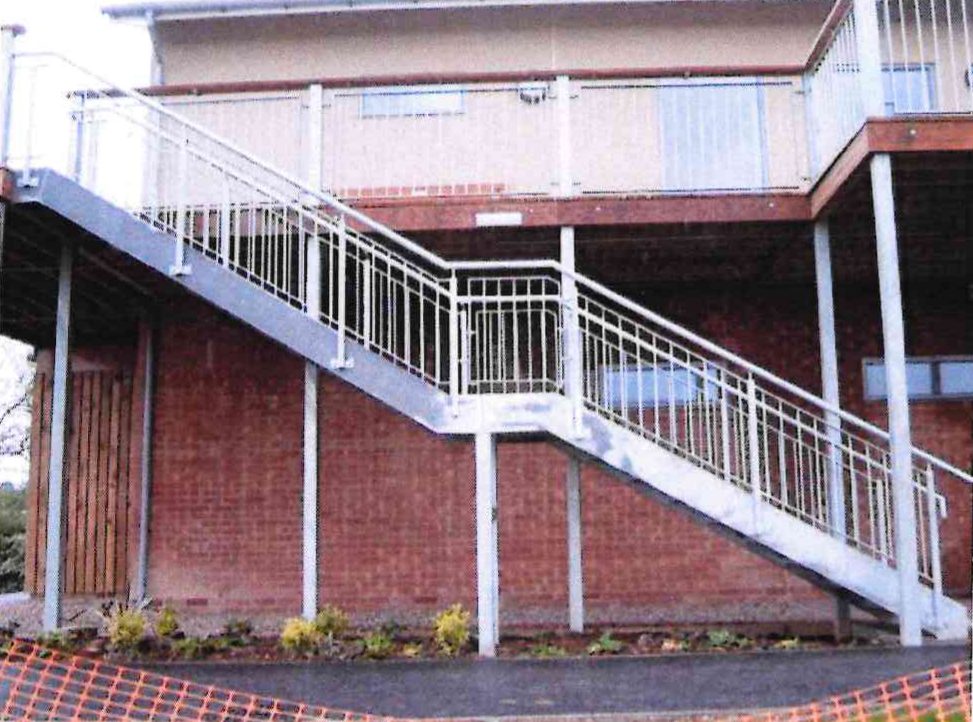
Colour VariationMaterial Issue
- Variation in coating appearance
- Steel with a higher silicon content may result in continued growth of the zinc-iron alloy layer following withdrawal from the galvanizing bath
- Retained heat may act as a driving force even at lower silicon levels
- If the zinc-iron alloy layer is visible at the coating surface it appears duller, darker grey in appearance
- Use of nickel in the galvanizing bath may help reduce reactivity effect
- Quenching work immediately after galvanizing can remove retained heat
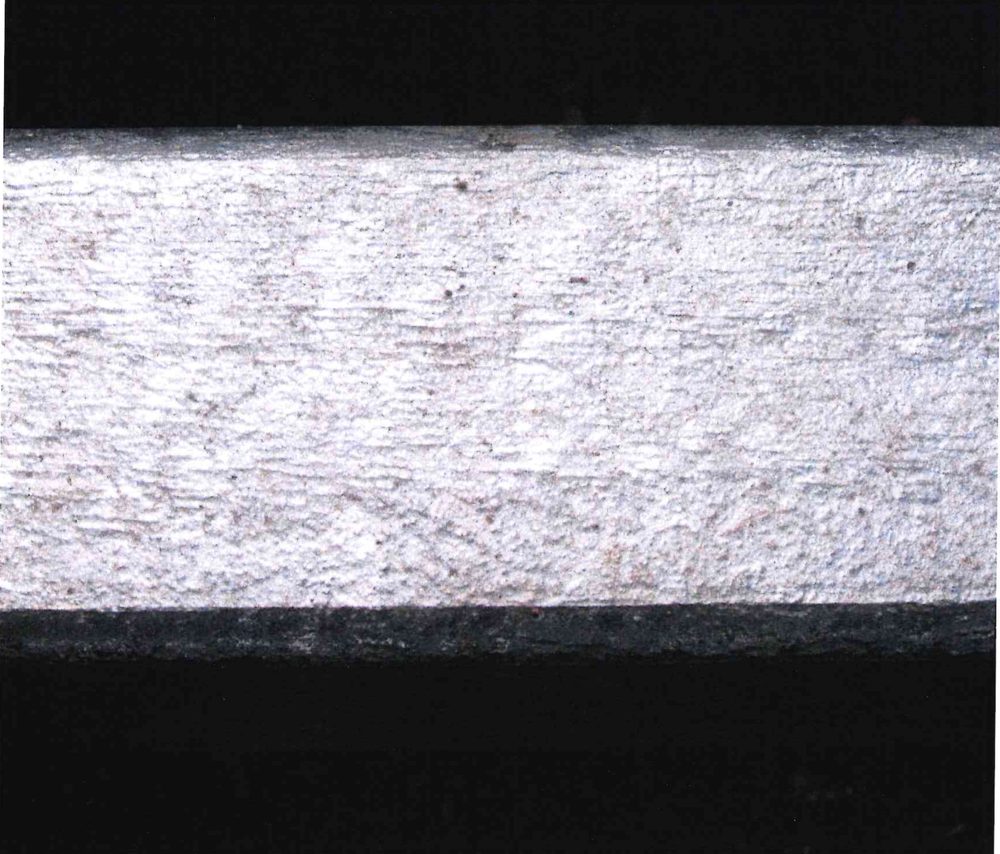
Tree BarkMaterial Issue
- Localised variation in steel chemistry affects surface reactivity
- Localised areas with high %Si are more reactive and form a thicker coating resulting in a textured orange peel or tree bark coating
- Advise customer to minimise potential by using steel with a controlled silicon content (< 0.04% or 0.15-0.25% Si)
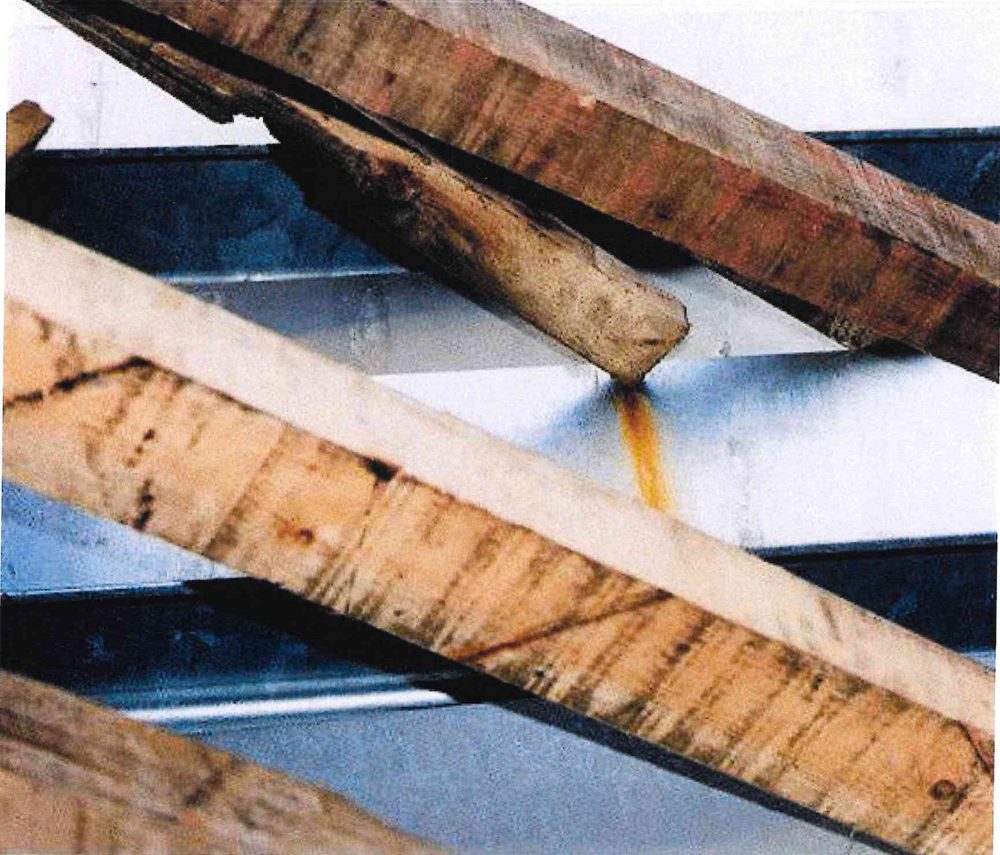
Timber StainingEnvironmental Issue
- Staining occurs from damp timber
- Use of timber to avoid metal to metal contact is good practice
- Staining may be removed by wire brushing
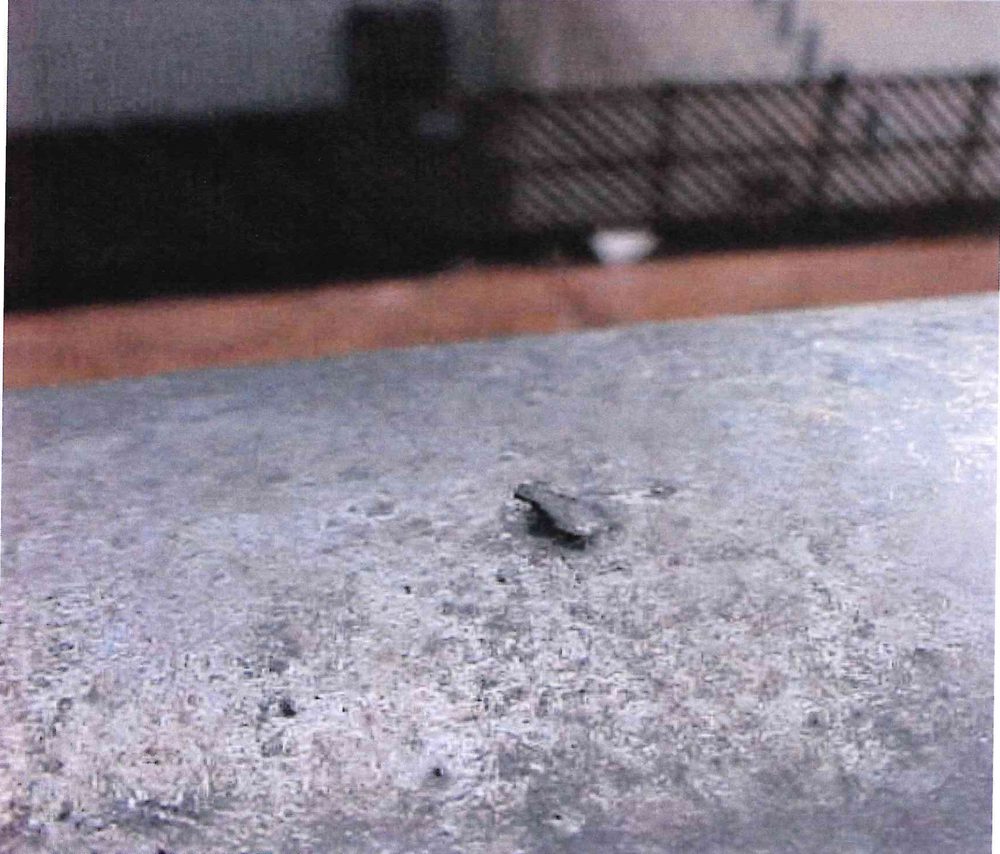
Steel DefectSteel Issue
- Steel defects rolled into the steel surface and not visible to the naked eye
- The heat of the galvanizing process causes defects to expand and become more apparent
- Zinc may get beneath the defect forming a coating so the defect is raised up proud of the steel surface
- Due to poor steel quality
- Grind out the steel defect and repair
- No process related solution
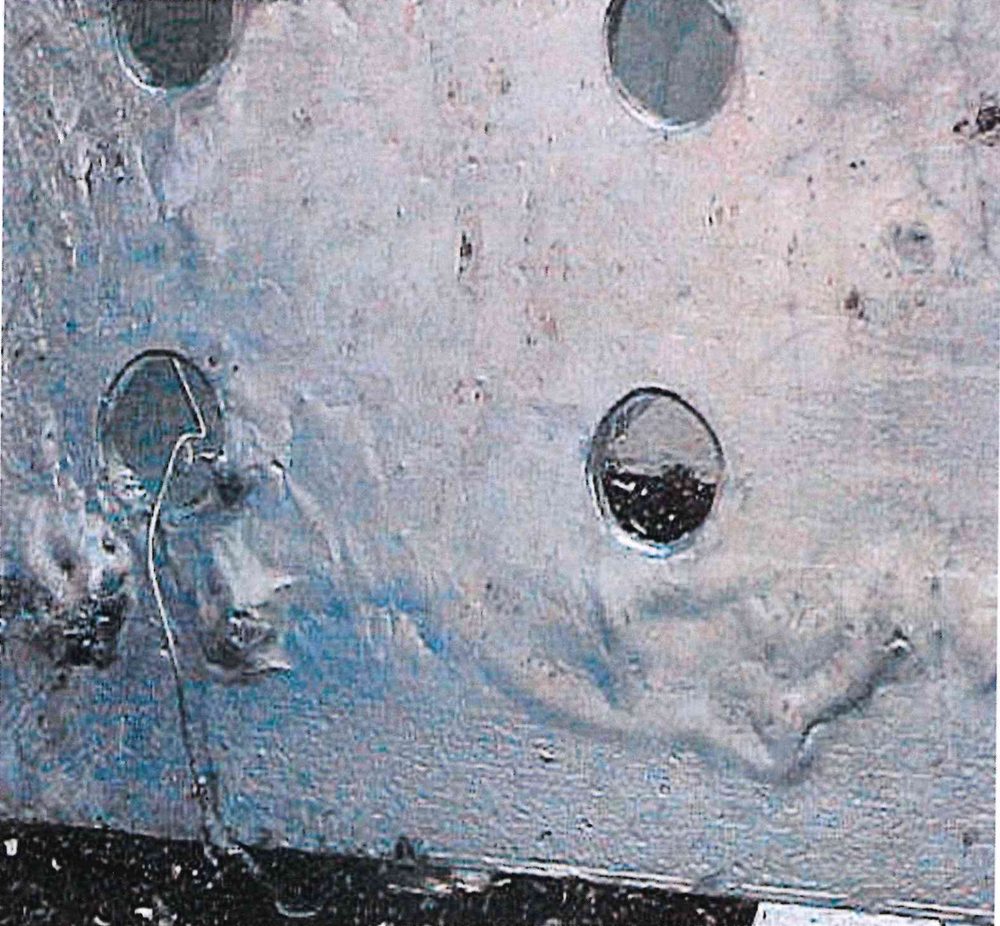
Uneven DrainageProcess Issue
- Uneven drainage results in an uneven or lumpy area on which zinc build up has occurred
- This can occur over the entire surface or in isolated areas. Uneven drainage also includes drips on the ends of parts, runs near holes. A cause may be high withdrawal speed and/or the galvanizing temperature being too low
- This condition does not adversely affect coating performance and is acceptable
Does not meet EN ISO 1461
10 features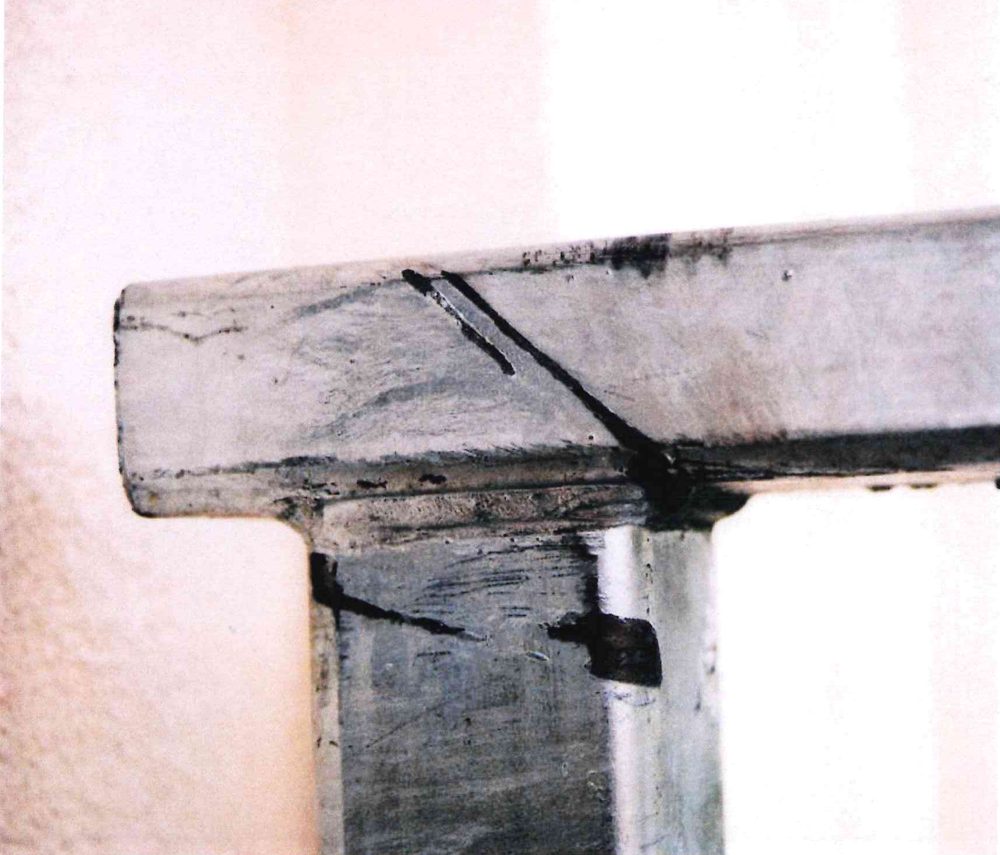
Wire MarksProcess Issue
- Wire mark
- Wires used for jigging contact with work during dipping preventing a coating from forming
- Wires are left on work after the product has cooled and tear the coating when removed
- Movement of work in the galvanizing bath should assist in a continuous coating being formed
- Remove wires as soon as is practically possible after galvanizing
- Repair wire marks if sufficiently small
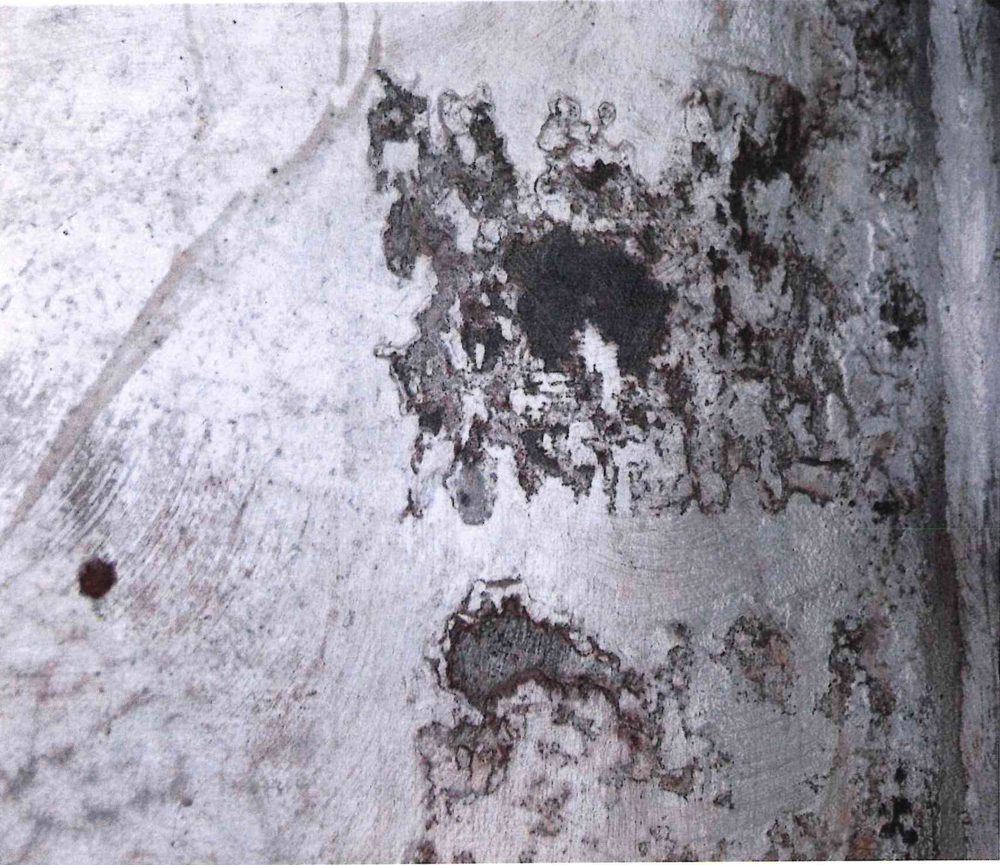
Oil ContaminationMaterial Issue
- Surface contaminant present on steel surface which could not be removed by the normal pretreatment process e.g. oil/grease
- Ask fabricator to avoid contamination of work for galvanizing with oil/grease
- Use of a degrease tank might remove light oil or grease
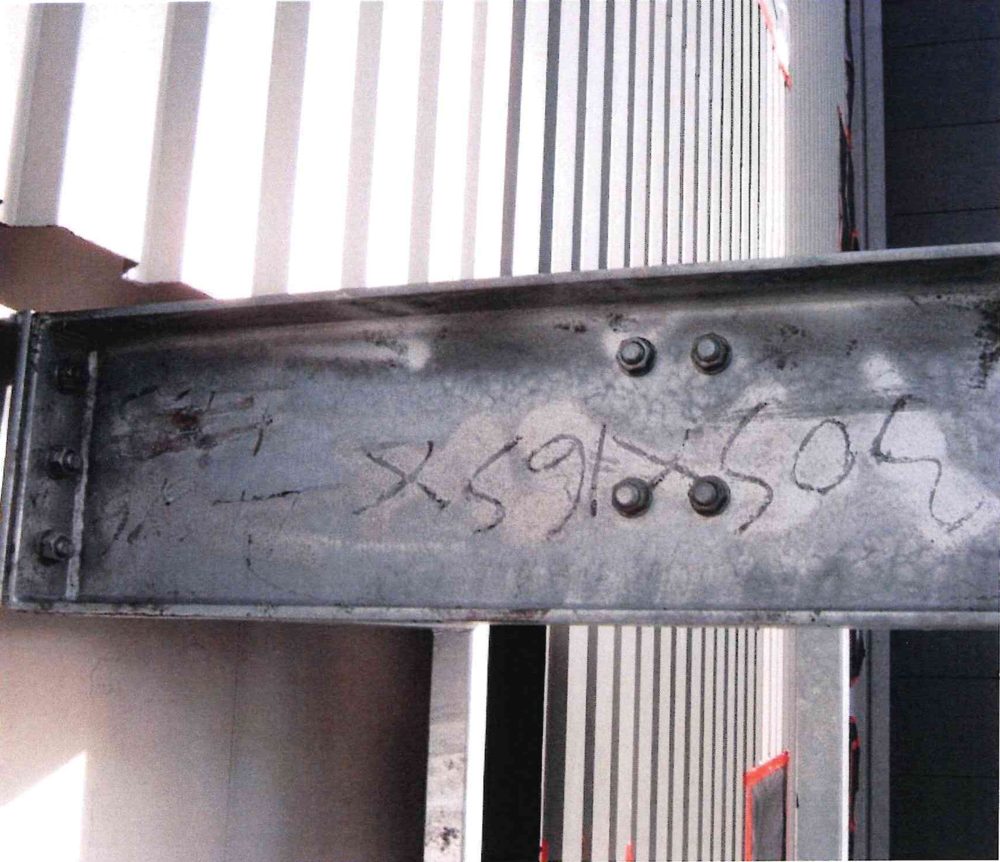
Paint MarkingMaterial/Process Issue
- Work delivered to the galvanizing in an unsuitable condition for processing
- Paint ID not removed prior to galvanizing
- Advise fabricator to use a water based or water soluble marker for ID of work which may come off in the normal pretreatment process
- Remove paint by use of paint stripper or grinding prior to processing work
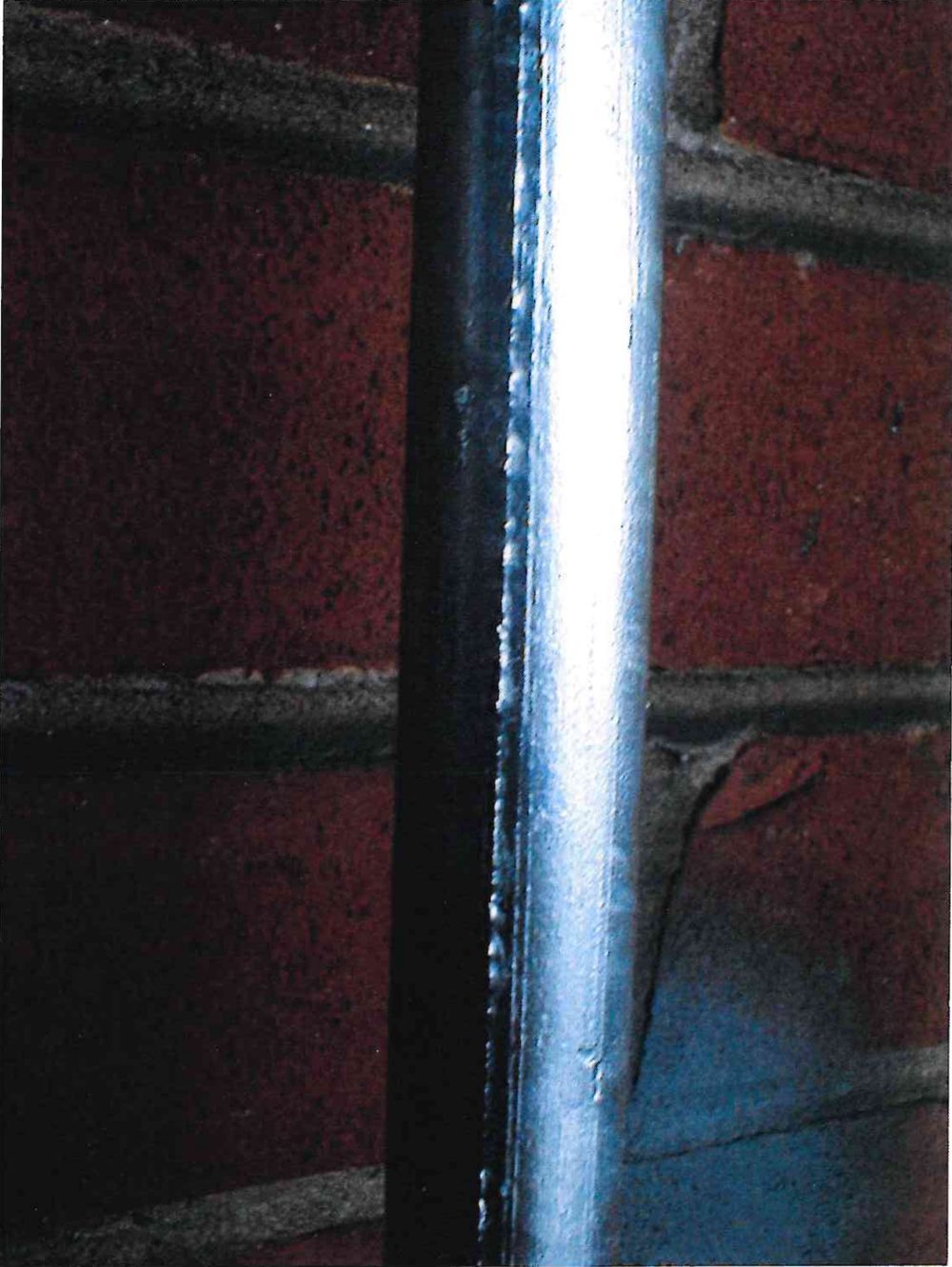
Sharp StriationMaterial Issue
- Stress in the steel surface has affected reactivity
- Areas of increased reactivity following the stress pattern result in increased coating growth as sharp striations around the diameter of the bar
- Advise fabricator that steel is not suitable for galvanizing
- Can lightly grind to remove striations
- No process related solution
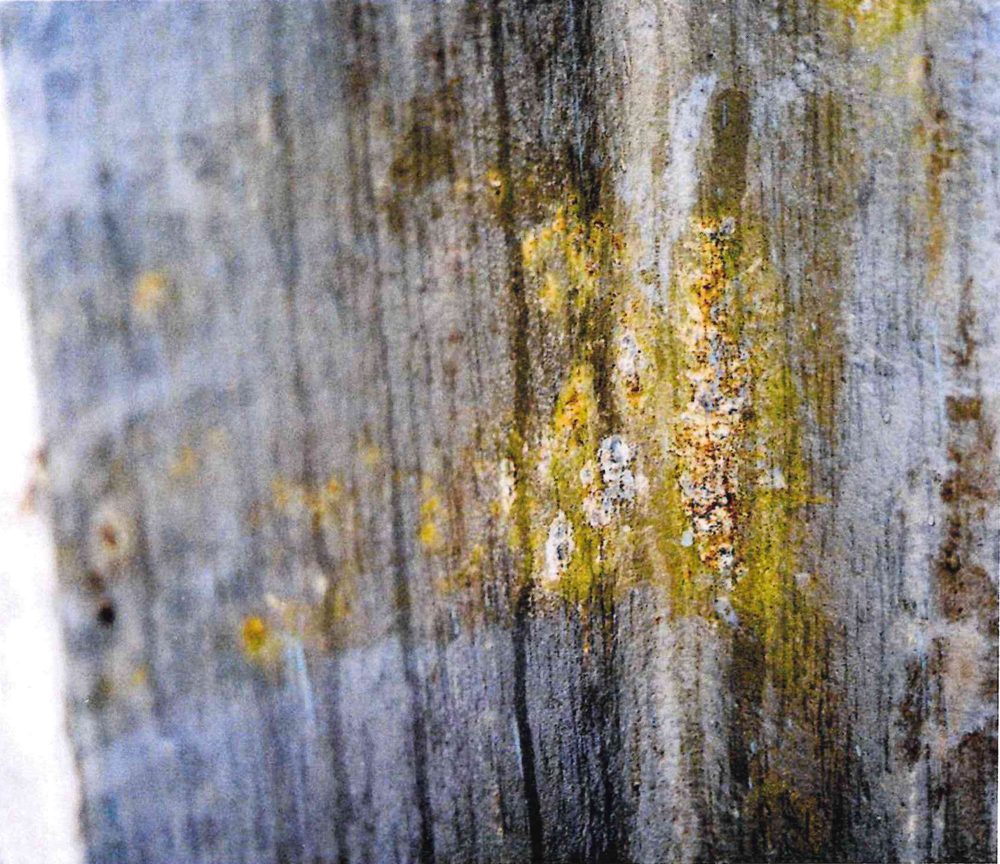
Flux StainingProcess Issue
- Flux staining may result in rapid local attack on the coating if it becomes damp
- Quenching work may help to remove flux staining
- Flux staining should be removed manually before delivery of work
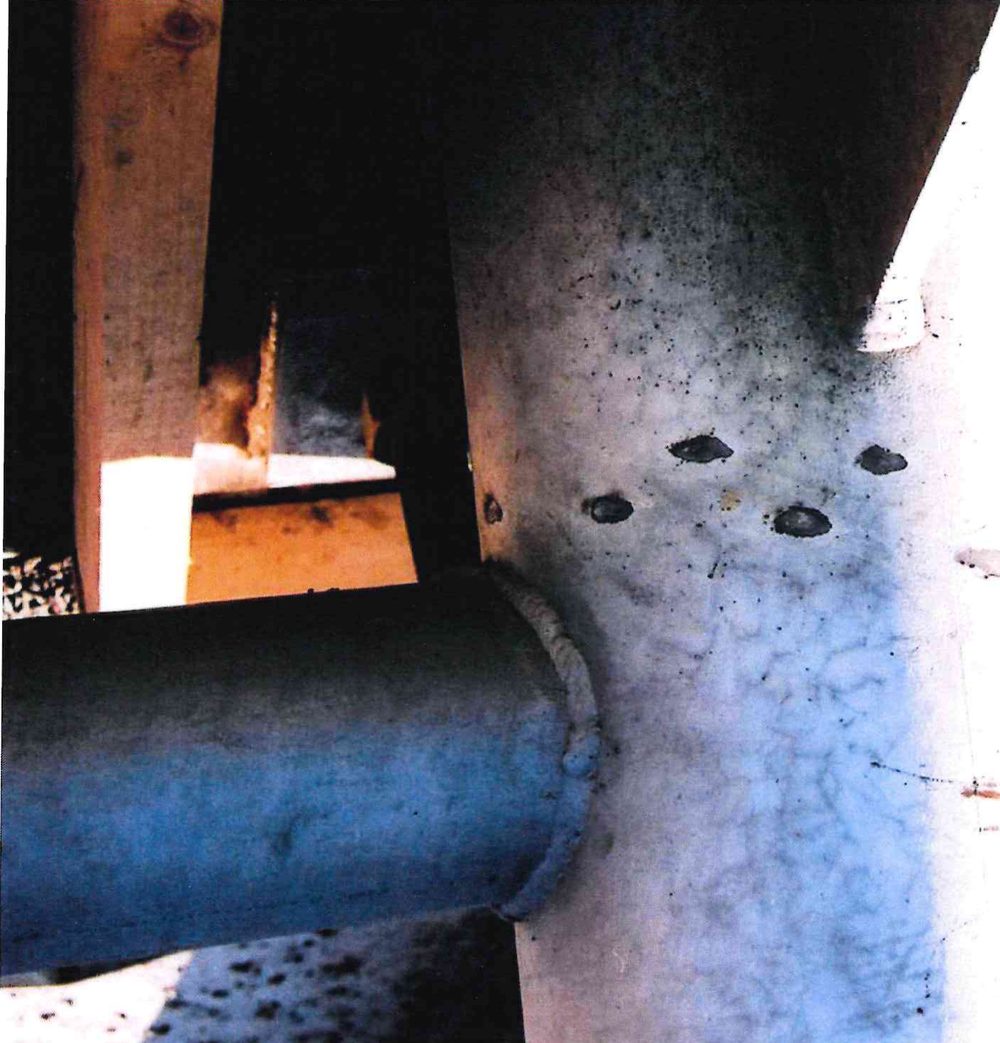
Chain MarksProcess Issue
- Small uncoated areas
- Where a chain is used to jig heavy work chain links have remained in contact with work during processing
- Movement of work in the galvanizing bath may assist formation of a coating
- Repair chain marks if sufficiently small
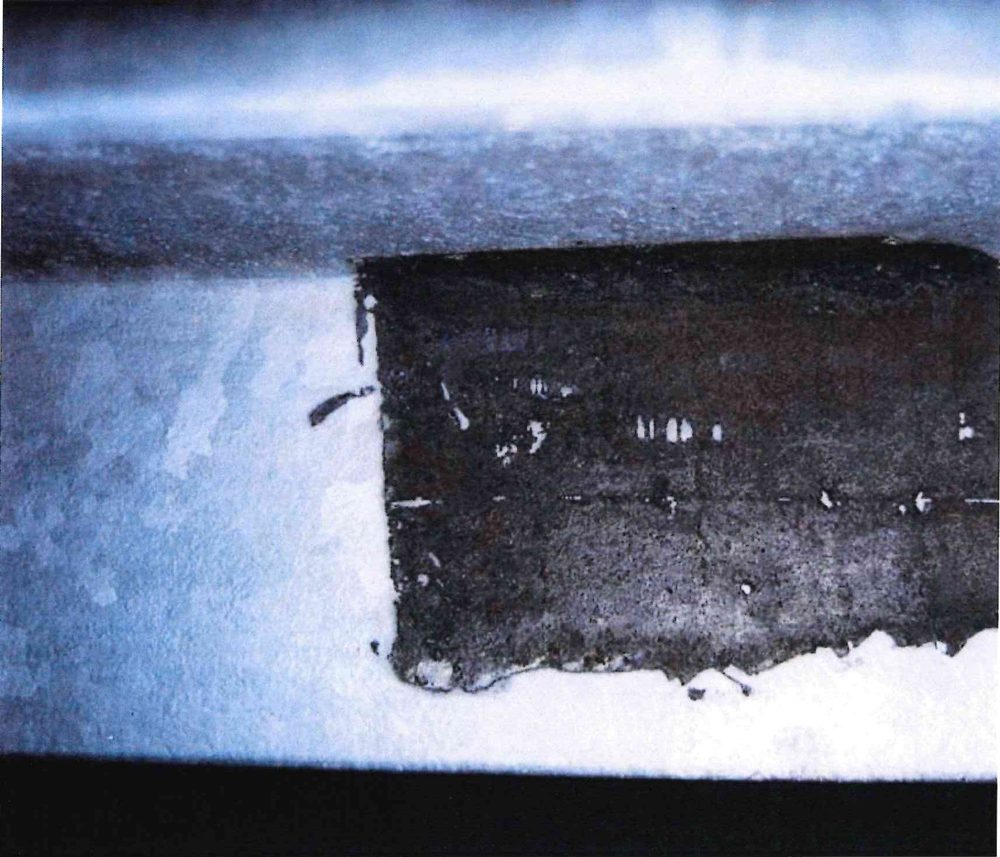
Label MarkMaterial/Process Issue
- Uncoated area due to use of an adhesive label on black steelwork
- Label not removed before galvanizing or adhesive from label not removed from steelwork by the normal pretreatment process
- Results in an uncoated area
- Ask fabricator not to use adhesive labels
- If adhesive labels are present remove them and clean the area manually to try and remove the adhesive
- Repair area if sufficiently small (unlikely)
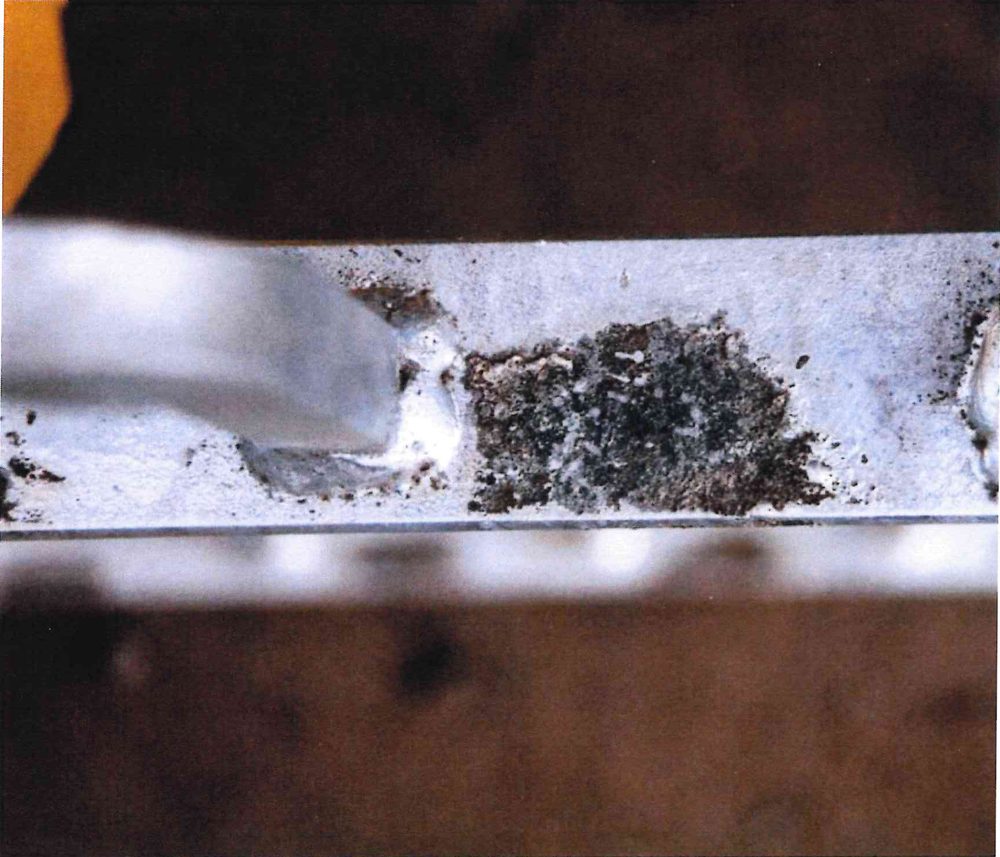
Weld Anti-Spatter SprayFabrication Issue
- Uncoated area adjacent to weld(s)
- Oil based or silicone based weld anti-spatter spray used during fabrication and burnt onto the steel surface
- Not visible to naked eye and prevents a galvanized coating forming
- Advise fabricator to use a water based or water soluble weld anti-spatter spray which will normally come off in the pretreatment process
- Repair area if sufficiently small
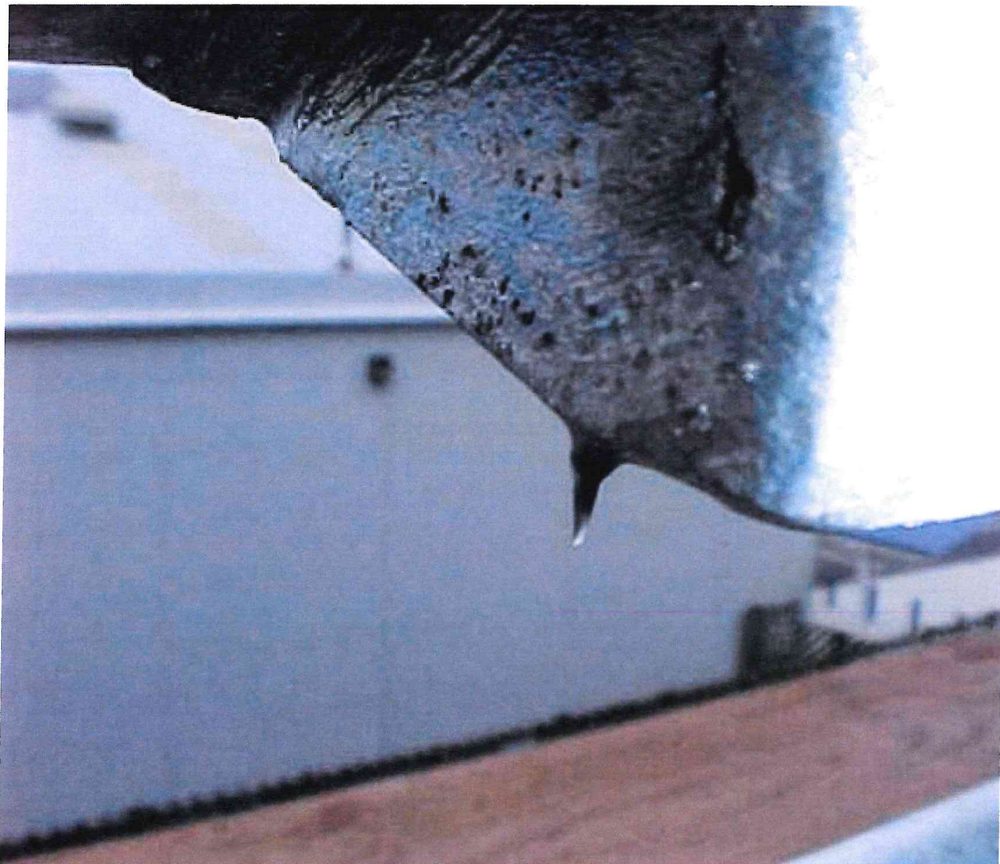
Zinc SpikeProcess Issue
- Sharp spike formed due to drainage of zinc following withdrawal from the galvanizing bath
- Ensure work is jigged to aid run-off of zinc
- Fettle work to remove spikes prior to delivery
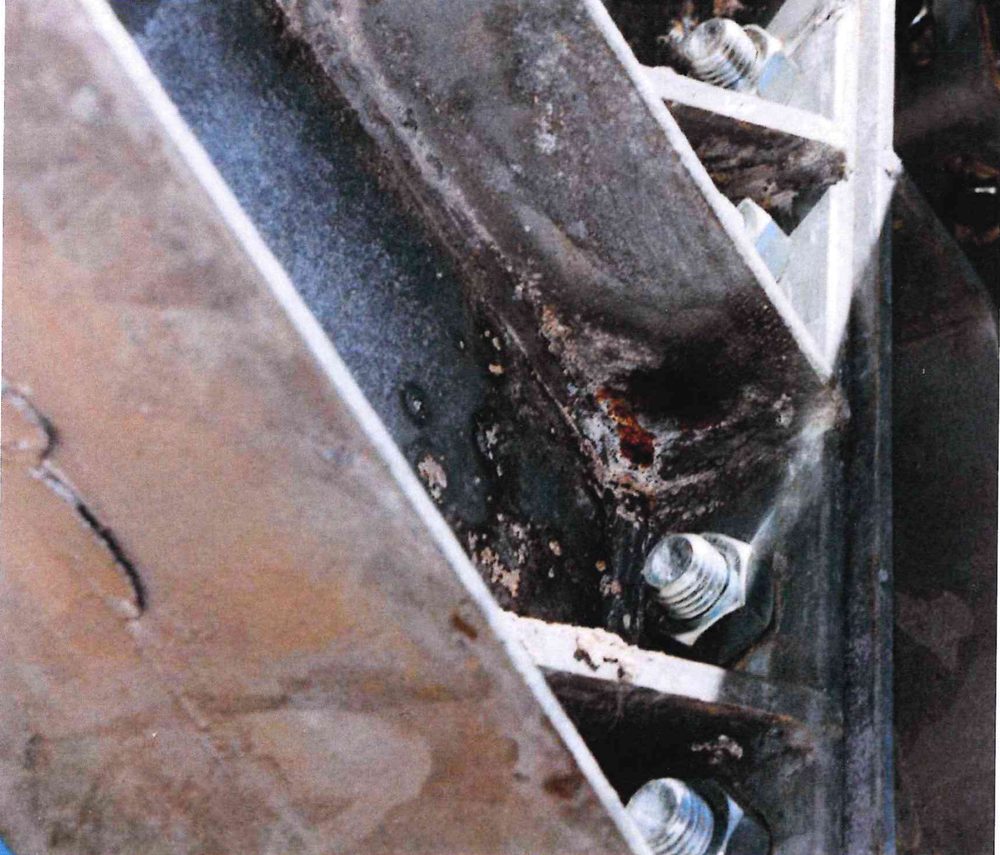
Air LockDesign Issue
- Small uncoated area
- Poor design resulting in an air-lock so zinc does not contact with the steel
- Forms an uncoated area
- Advise fabricator to adequately vent work so as to avoid air-locks
- Repair area provided sufficiently small
Terms & Conditions of Sale together with the original issued standards document (T&C’s Standards for Galvanising, Wet Paint & Powder Coating, dated 12 August 2026) as a single PDF.